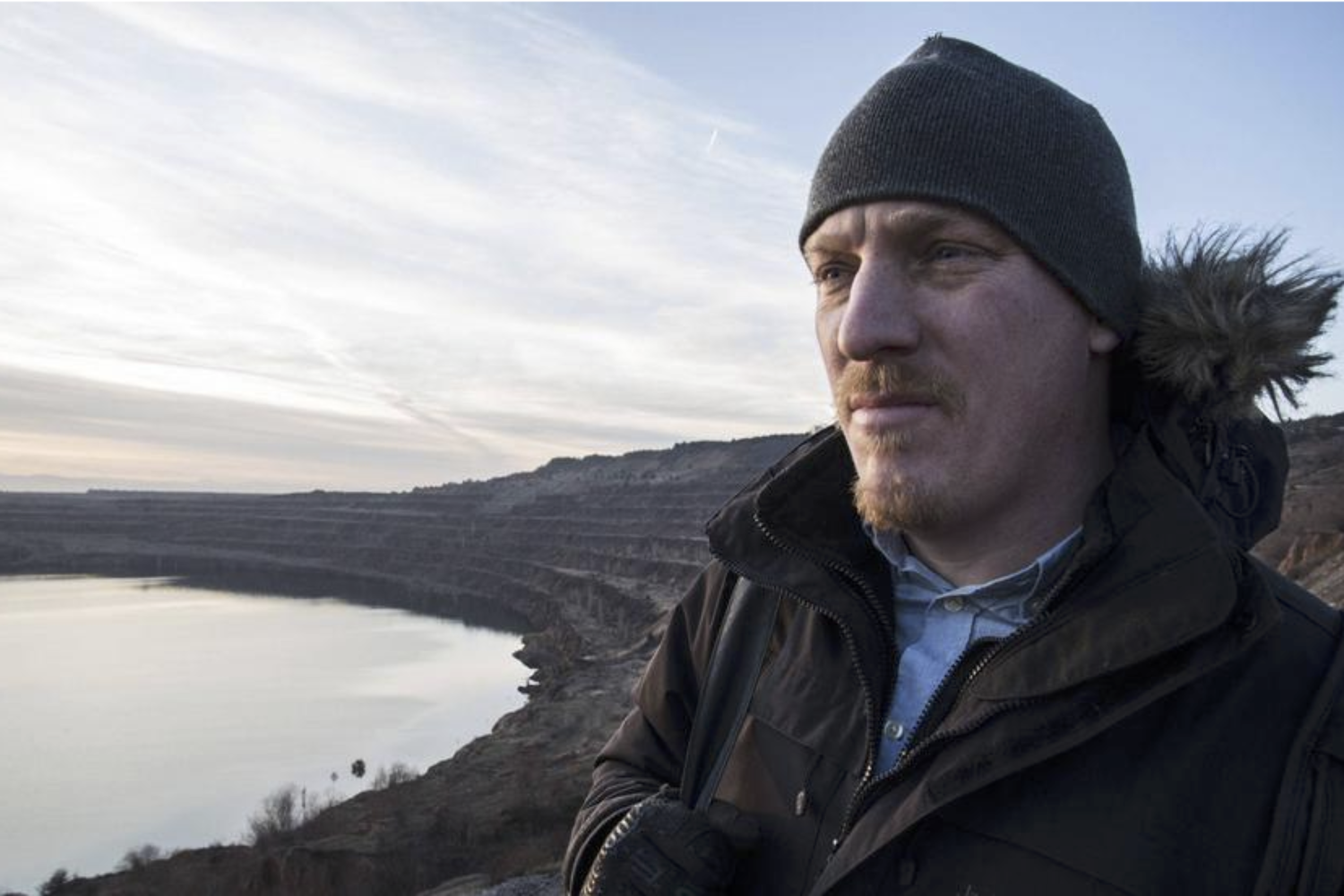
My hometown newspaper Helsingborgs Dagblad just made a great piece on me about a “day at work” part of their new monthly series in the culture part “Work in progress”…“
For the hole story Visit here
My hometown newspaper Helsingborgs Dagblad just made a great piece on me about a “day at work” part of their new monthly series in the culture part “Work in progress”…“
For the hole story Visit here
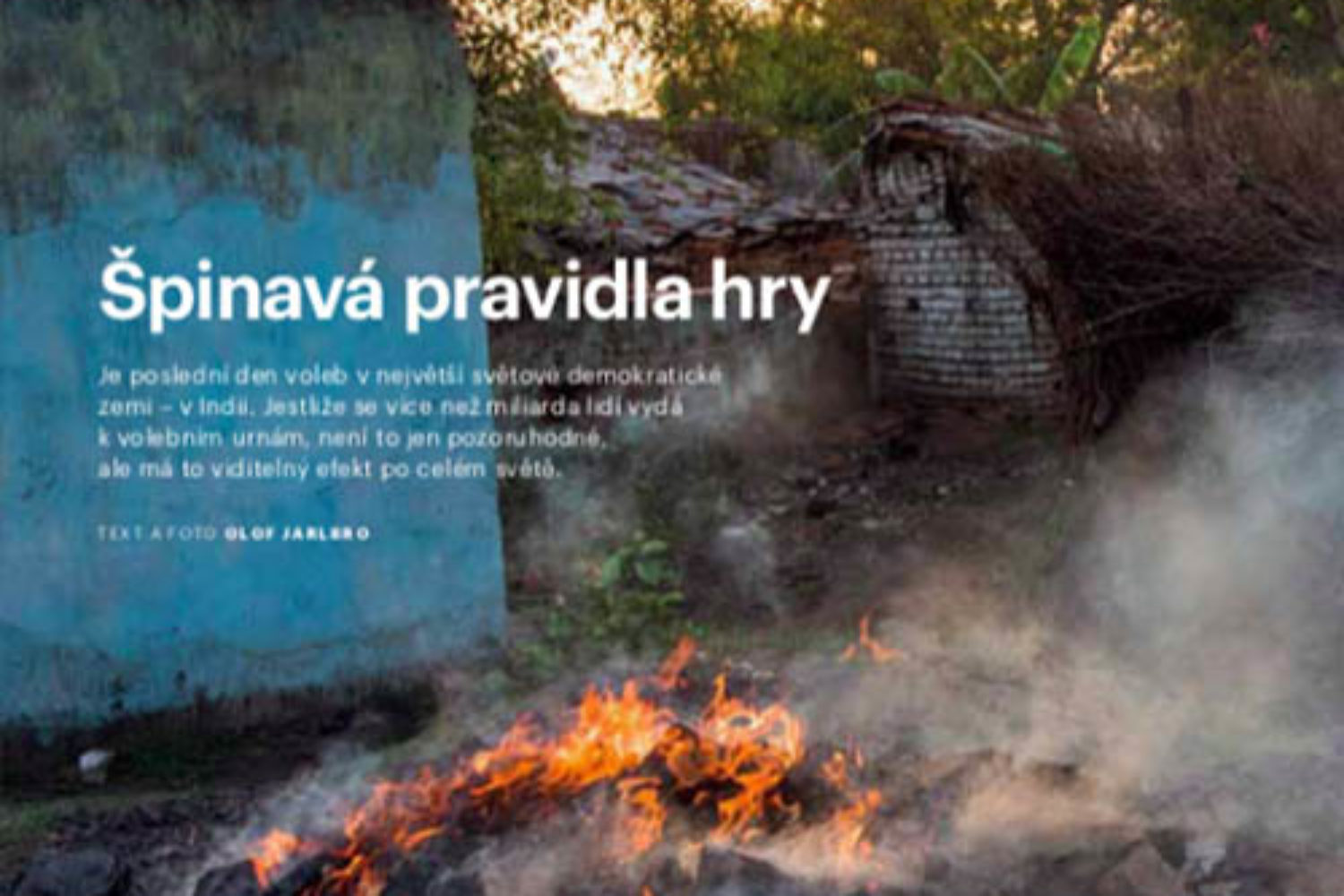
In the latest issue of Czech Esquire magazine, a full 8 pages with my story about coal mining in India. To meet its increasing energy needs, the Indian government plans to double its coal production by 2020. Already, India is the world’s third largest contributor to greenhouse gases…
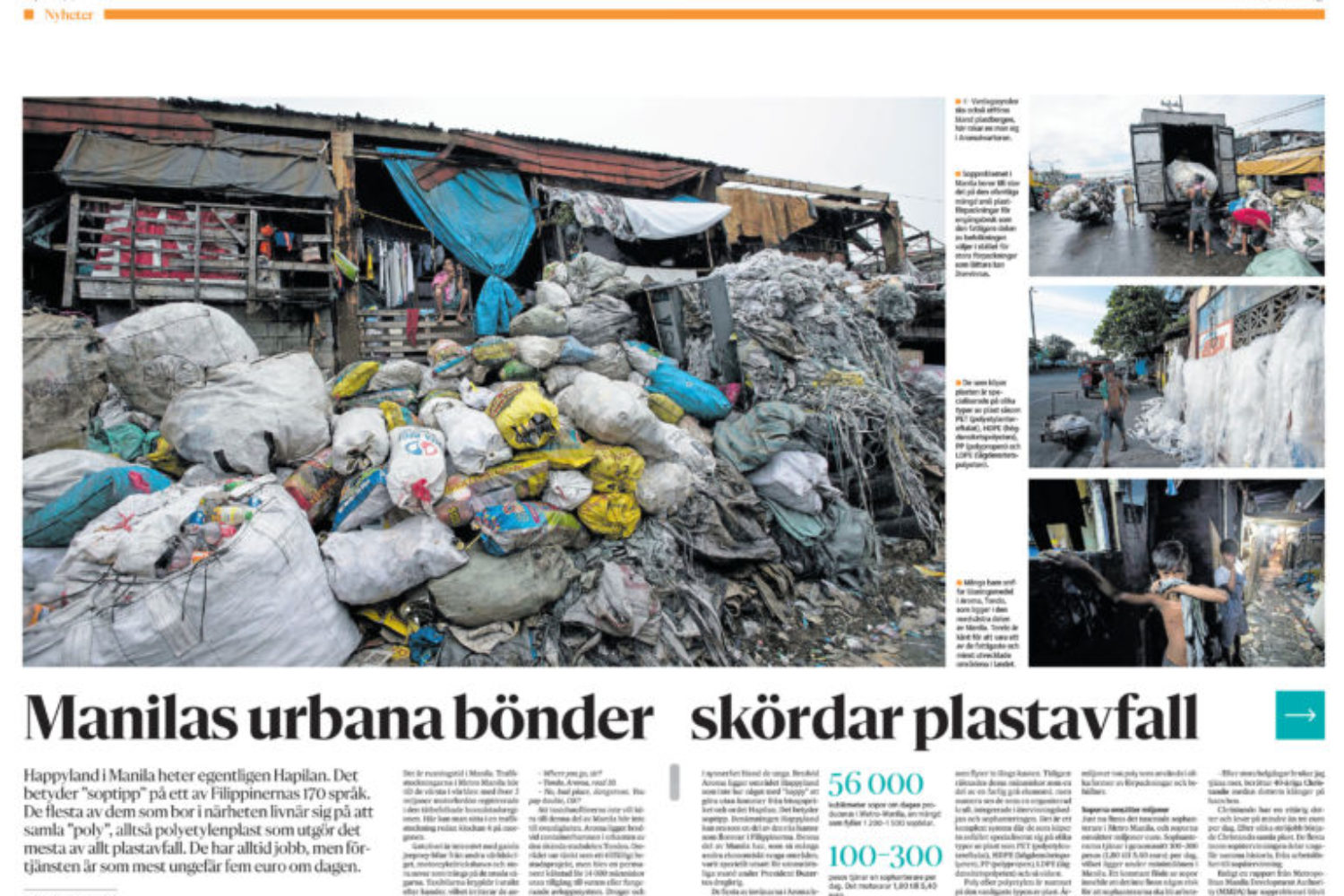
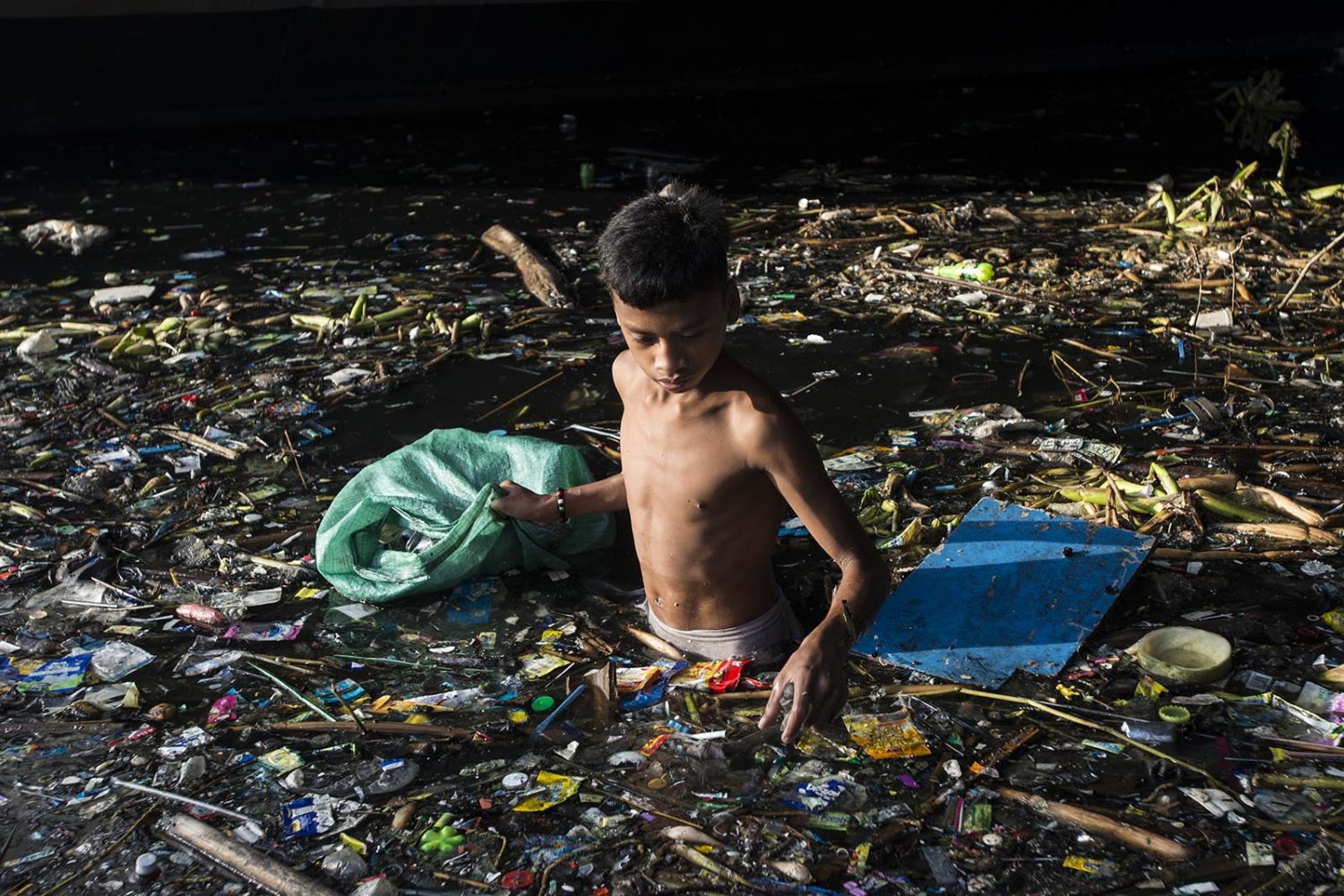
Reportage about plastic and manila’s urban farmers in HBL/ Hufvudstadsbladet.Scientists estimate that about 8 million tons of plastic end up in the world’s oceans each year. On top of the estimated 150 million tons currently circulating in our marine environments. In fact, plastic production is predicted and consumption will double over the next ten years.
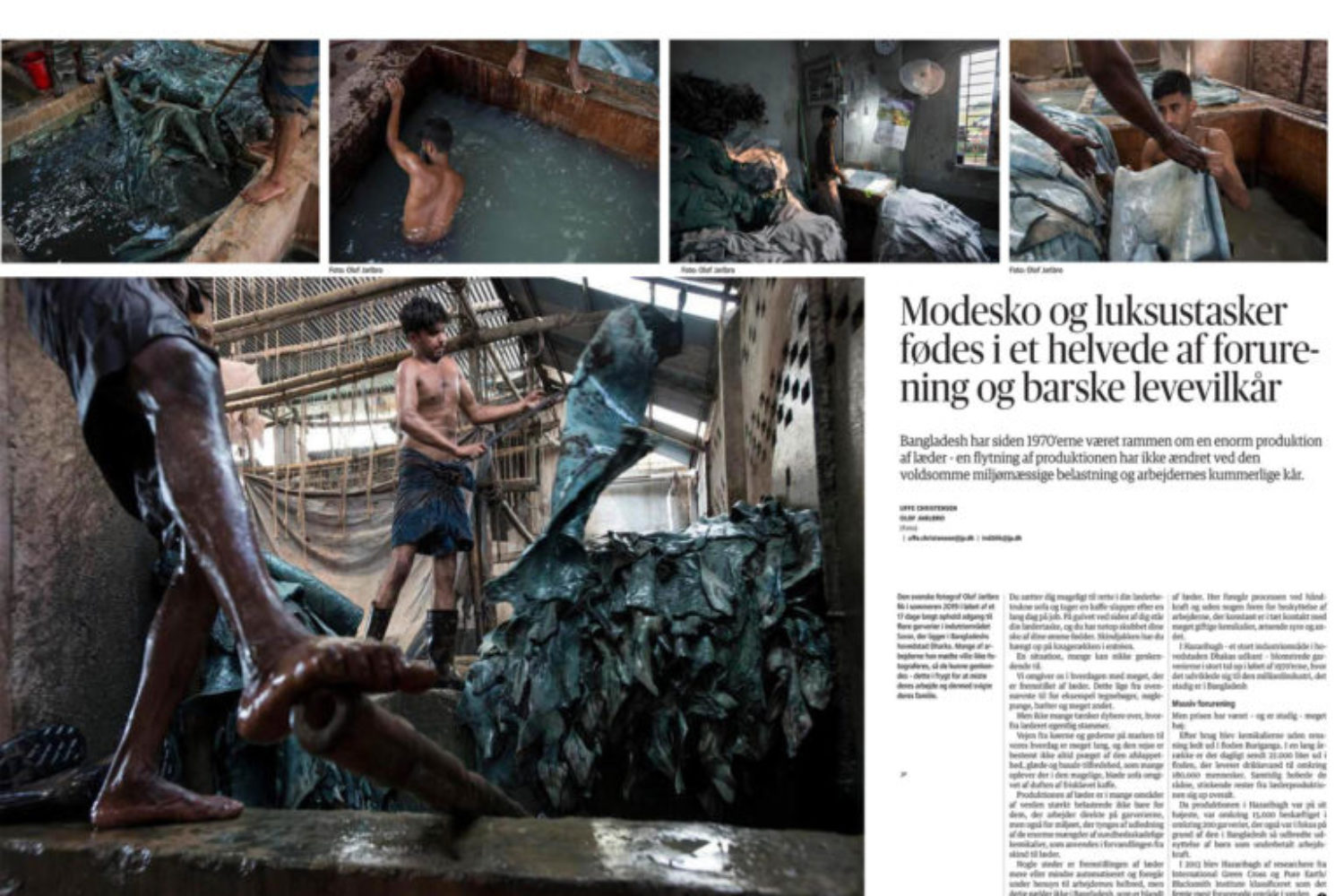
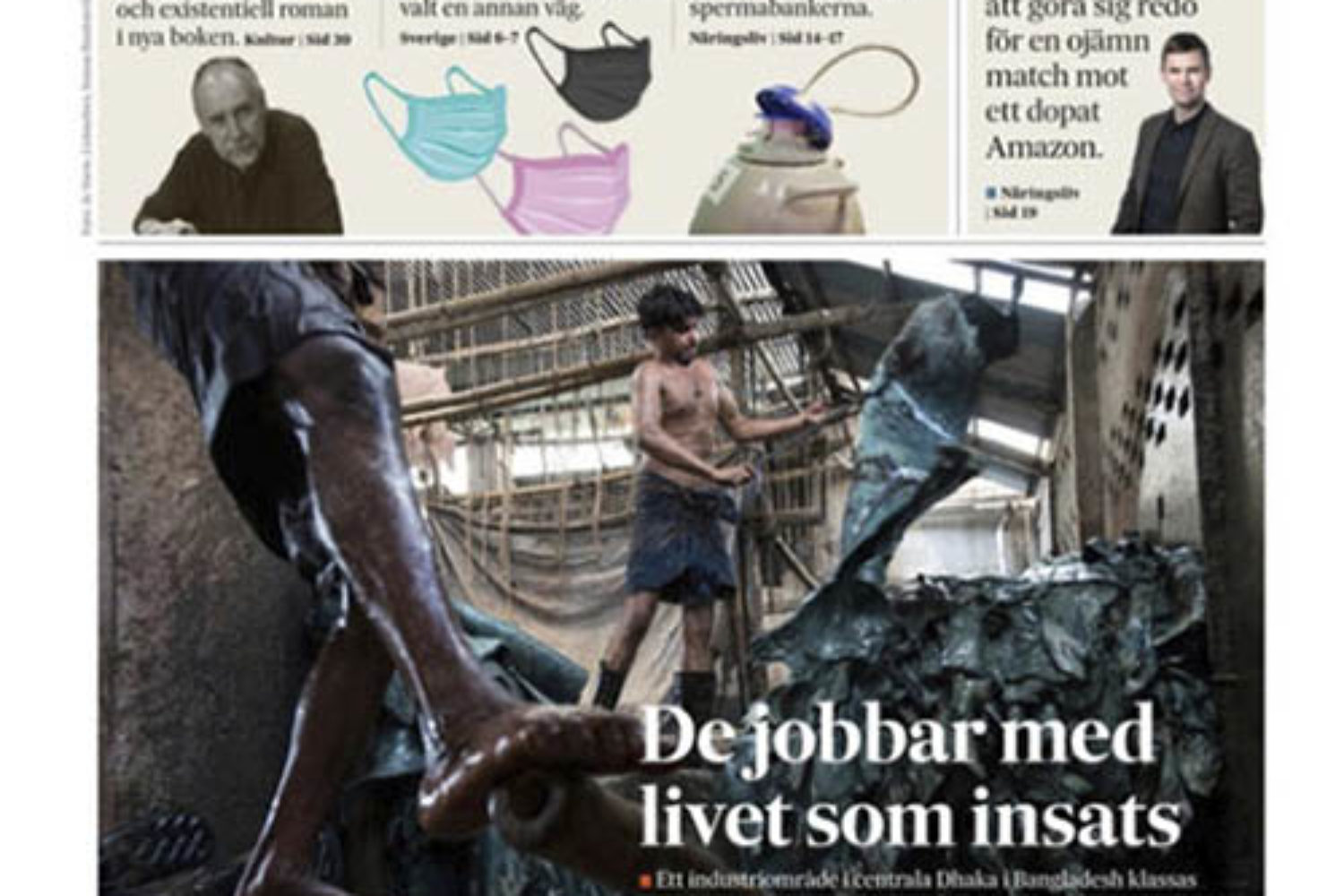
In depth reportage about the leather industry in Jyllands posten . It is estimated that 90% of men working in the leather industry in Bangladesh will die before turning 50. Bangladesh is one of the world’s largest leather producers. The leather industry is the second largest export revenue for the country after the textile industry and generates over a billion dollars. Bangladesh exports high quality leather to USA, EU, Japan, Korea, China etc.
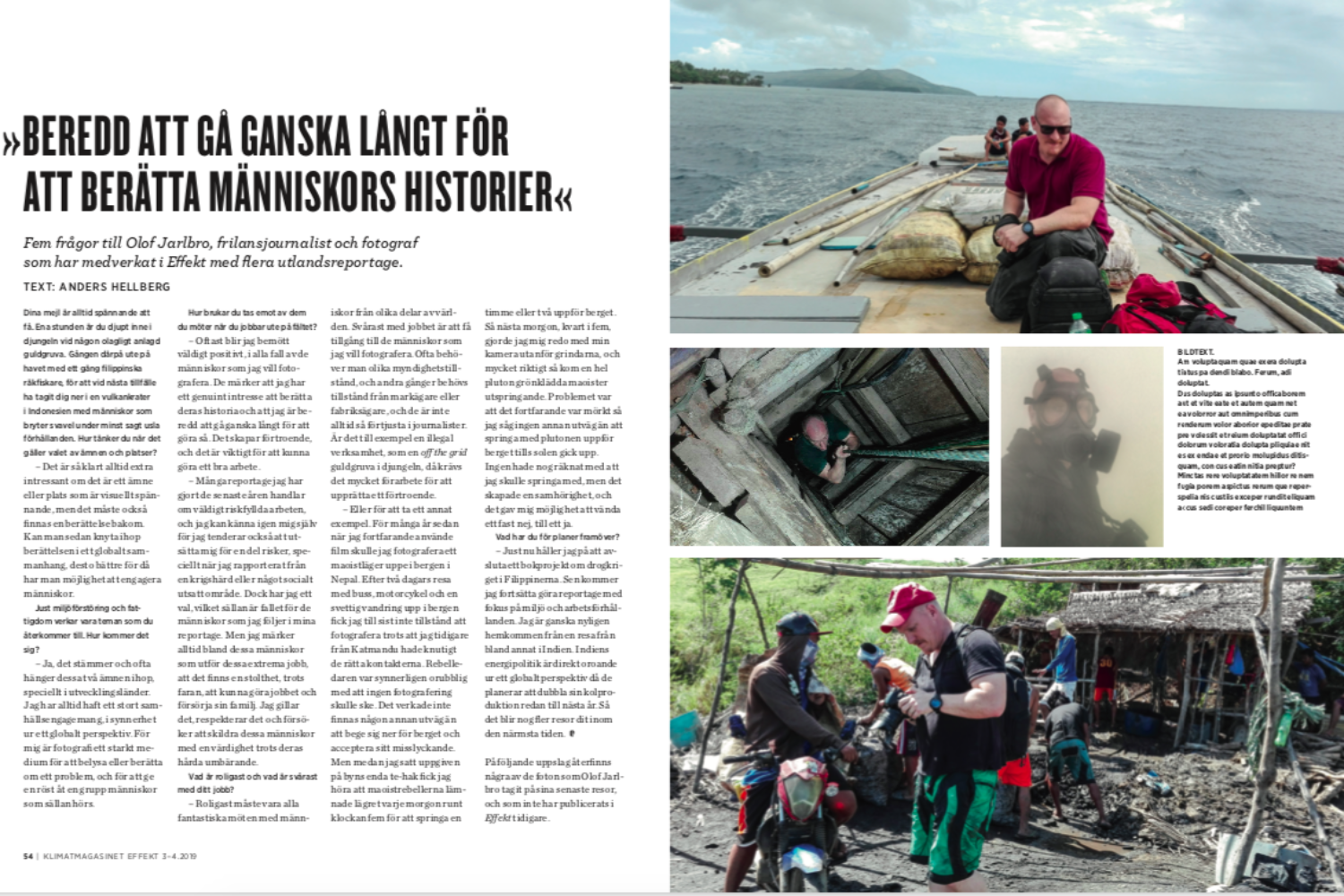
Climate magazine Effekt issue 3-4 2019 celebrates ten years with 72 pages thick issue which will be the final and last since the magazine closes. I been co-operated with Effekt since 2016 with several in-depth stories regarding the environment. It’s been a pleasure not only because the magazine looked good but it also kept a high level and of course focusing on this century most pressing matter “THE ENVIRONMENT”… Anyhow I be featured in 8 pages with an interview how I work and some stories from the field…
You can get the last issue Here
Happy to see my latest environment story from India ending up first page at the Hufvudstadsbladet / HBL. For India to meet its increasing energy needs, the Indian government plans to double its coal production by 2020. Already, India is the world’s third largest contributor to greenhouse gases. Making a report about coal is a sensitive issue in India. Behind India’s coal industry is all that dirty, such as child labor, poor working conditions, extremely low wages, corruption and the list just goes on.
To get the hole story visit here >>>
56,000 cubic meters of garbage. In depth reportage about manila’s garbage problem and the people who live on the waste…
Political sanctions, one of the world’s longest civil wars and 50-year of isolation during the
military regime, have hampered any foreign investments and developments in the oil industry.
This has also resulted in Myanmar being one of the poorest countries in Southeast Asia, despite its abundant natural resources. After the 2010 general elections and the dissolution of the military junta, Myanmar has opened up for foreign investment. Its natural gas reserves of 1,820 billion cubic feet and crude oil reserves estimated at 139 million barrels, have been attracting oil giants such as Total, Shell, Chevron and others. The major oil operators are still not fully established due to infrastructural shortages, which has led to thousands of workers to keep drilling for oil in the region with almost no financial resources. Unfortunately, the same technology was used during the oil rush in the US in the 1920s. Just like the search for gold and gemstones, the small-scale oil industry is a poverty-driven business, where the individual’s agenda deals exclusively with livelihood and because of this, environmental aspects and occupational safety are neglected.
In the latest number of the Swedish magazine Arbetet Global, in depth story about the oil industry in Myanmar. Political sanctions, one of the world’s longest civil wars and 50-year of isolation during the military regime, have hampered any foreign investments and developments in the oil industry. This has also resulted in Myanmar being one of the poorest countries in Southeast Asia, despite its abundant natural resources. After the 2010 general elections and the dissolution of the military junta, Myanmar has opened up for foreign investment. Its natural gas reserves of 1,820 billion cubic feet and crude oil reserves estimated at 139 million barrels, have been attracting oil giants such as Total, Shell, Chevron and others. However, development is progressing slowly and large companies are struggling with the high costs and risky prospecting processes…
Happy to be part of the photobook exhibition Publicerat – Fotoboken i Sverige with the book “Refuge” and Syria: The War Within at CFF – Centrum för fotografi in Stockholm.
Vernissage Friday 8 February, kl 17–20. Place: gallery CFF, Centrum för fotografi, Tjärhovsgatan 44, Stockholm. Exhibitionism period 8/2–10/3. Gallery open: Wed–Fri 12–18. Sat–Sun 12–17. Exhibition produced by Hasselbladstiftelsen in cooperation with CFF, Fotoförfattarna/SFF, Fotoskolan STHLM och TMG Sthlm. Happy to be part of the photobook exhibition Publicerat – Fotoboken i Sverige with the book “Refuge” and Syria: The War Within at CFF – Centrum för fotografi in Stockholm.
Phone: +46 76 257 18 10
email: info@olofjarlbro.net