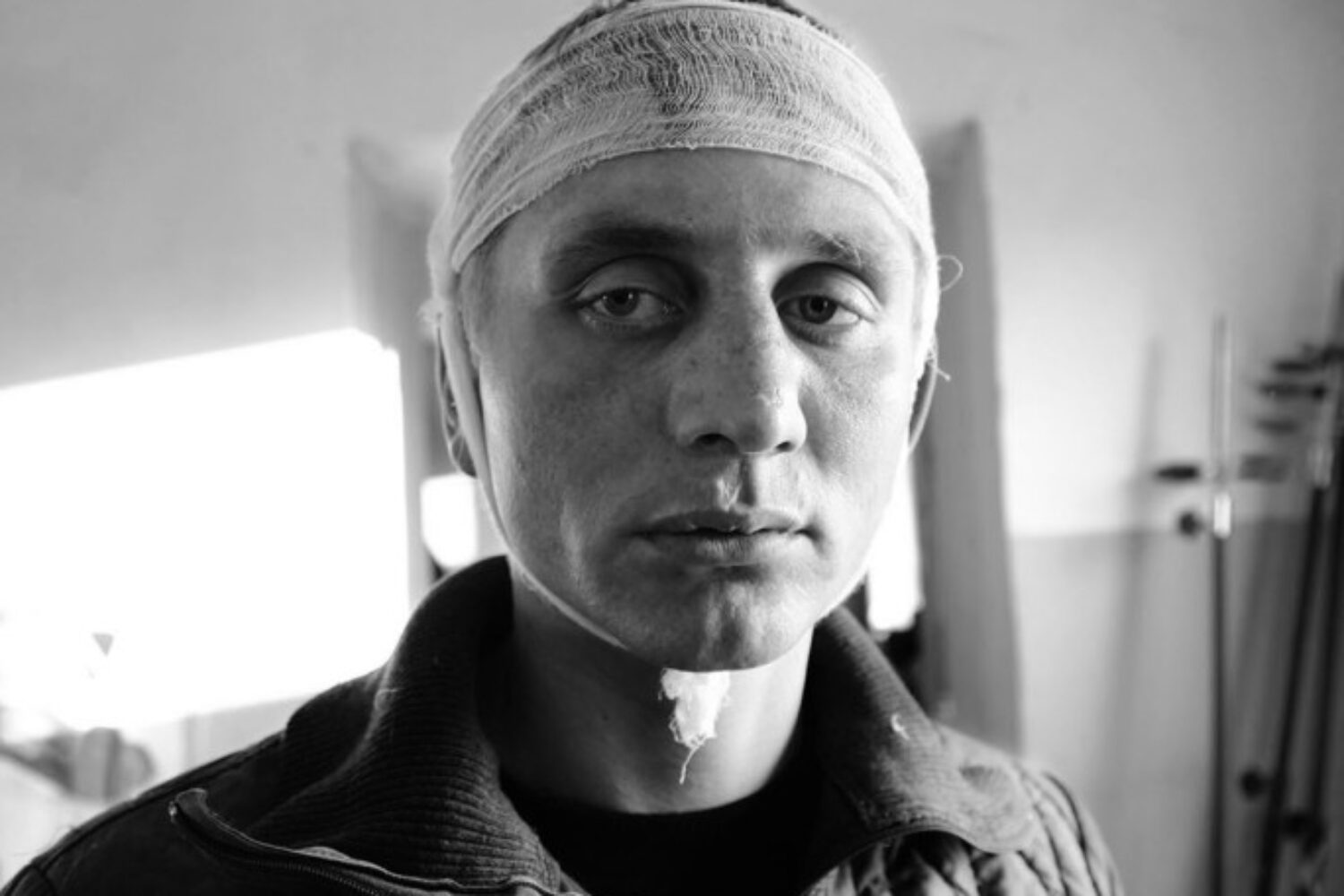
“Describing Syria as hell on earth is not at all far-fetched…It’s a nasty place, and death will constantly breathing down your neck”
Interview in Institute of Independent Journalism in Czech Republic- Hlidaci Pes
For full Czech version visit here

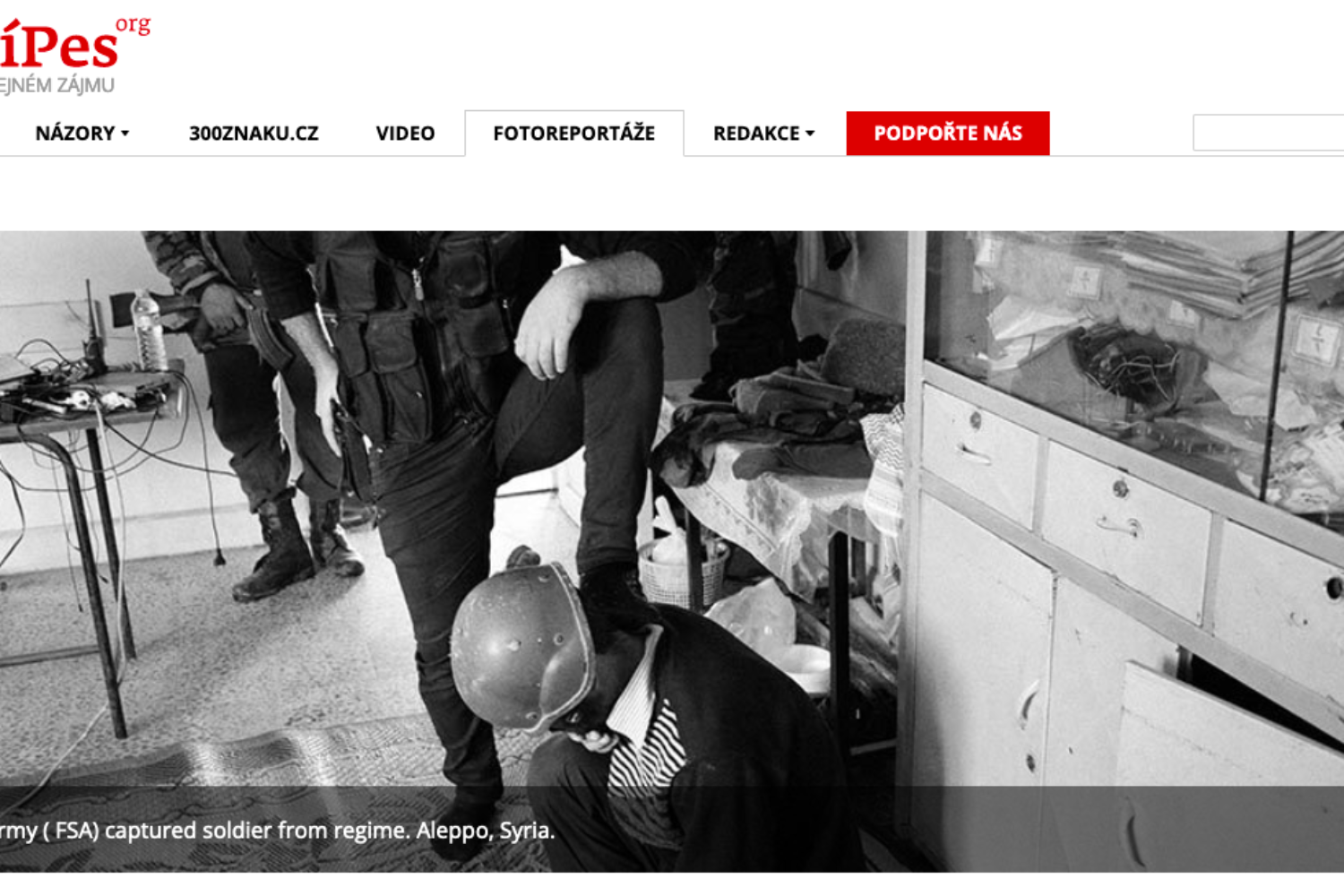
“Describing Syria as hell on earth is not at all far-fetched…It’s a nasty place, and death will constantly breathing down your neck”
Interview in Institute of Independent Journalism in Czech Republic- Hlidaci Pes
For full Czech version visit here
Happy to announce that my work about the conflict in Ukraine has been awarded working grant from the Helge Axelsson foundation.
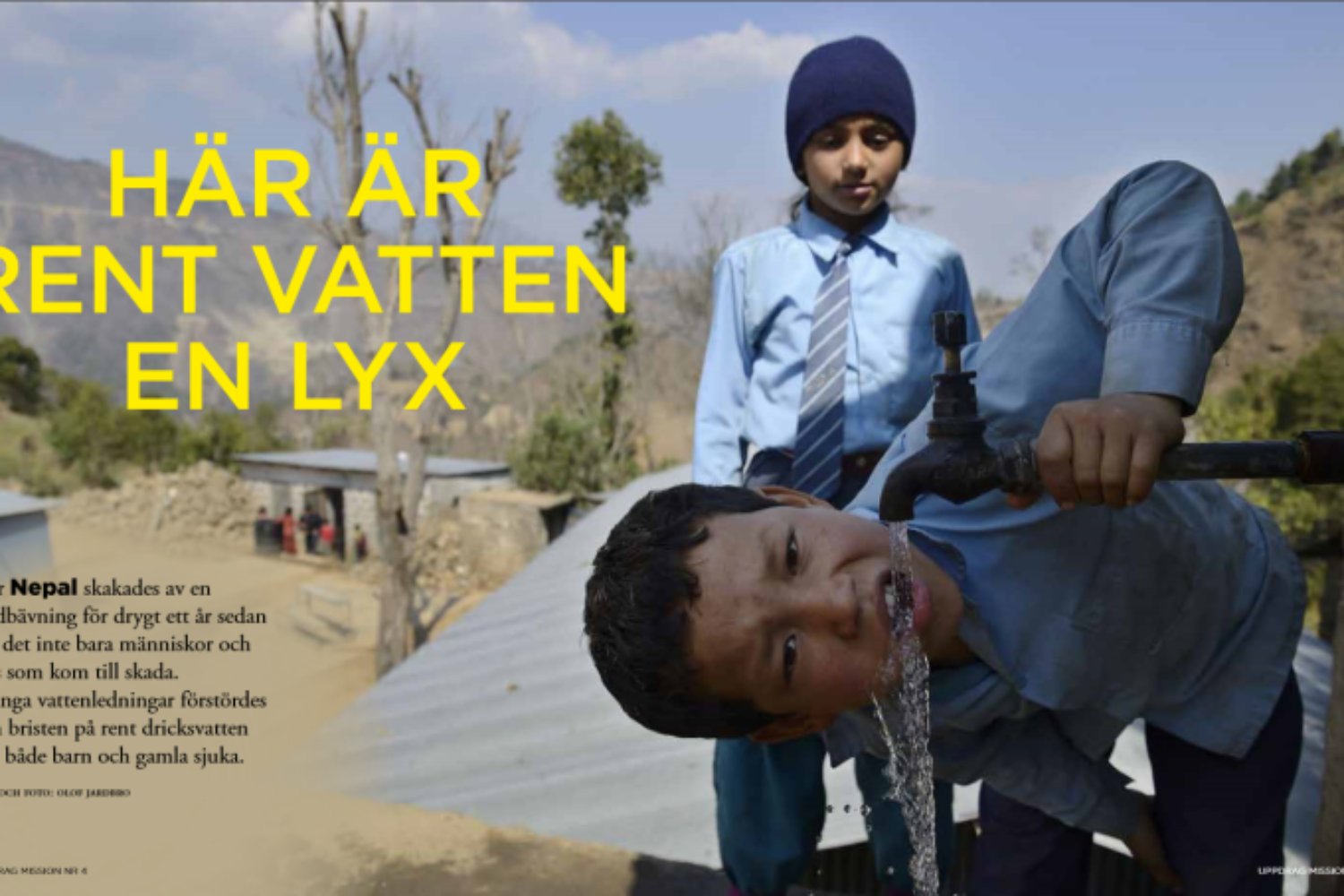
”The lack of clean water had been a concern for years, and in the rapidly growing city of Kathmandu the World Health Organization (WHO) estimated that 60 tons of domestic waste water from toilets, sinks and washing water were dumped in rivers. From there the unsanitary water flowed down the rivers to small communities whose only source of water came from the river. Some charities were trying to solve the problem by drilling wells. But still to date 37% of Nepal’s population does not have access to sanitation and two-thirds of it still lives without toilets…”
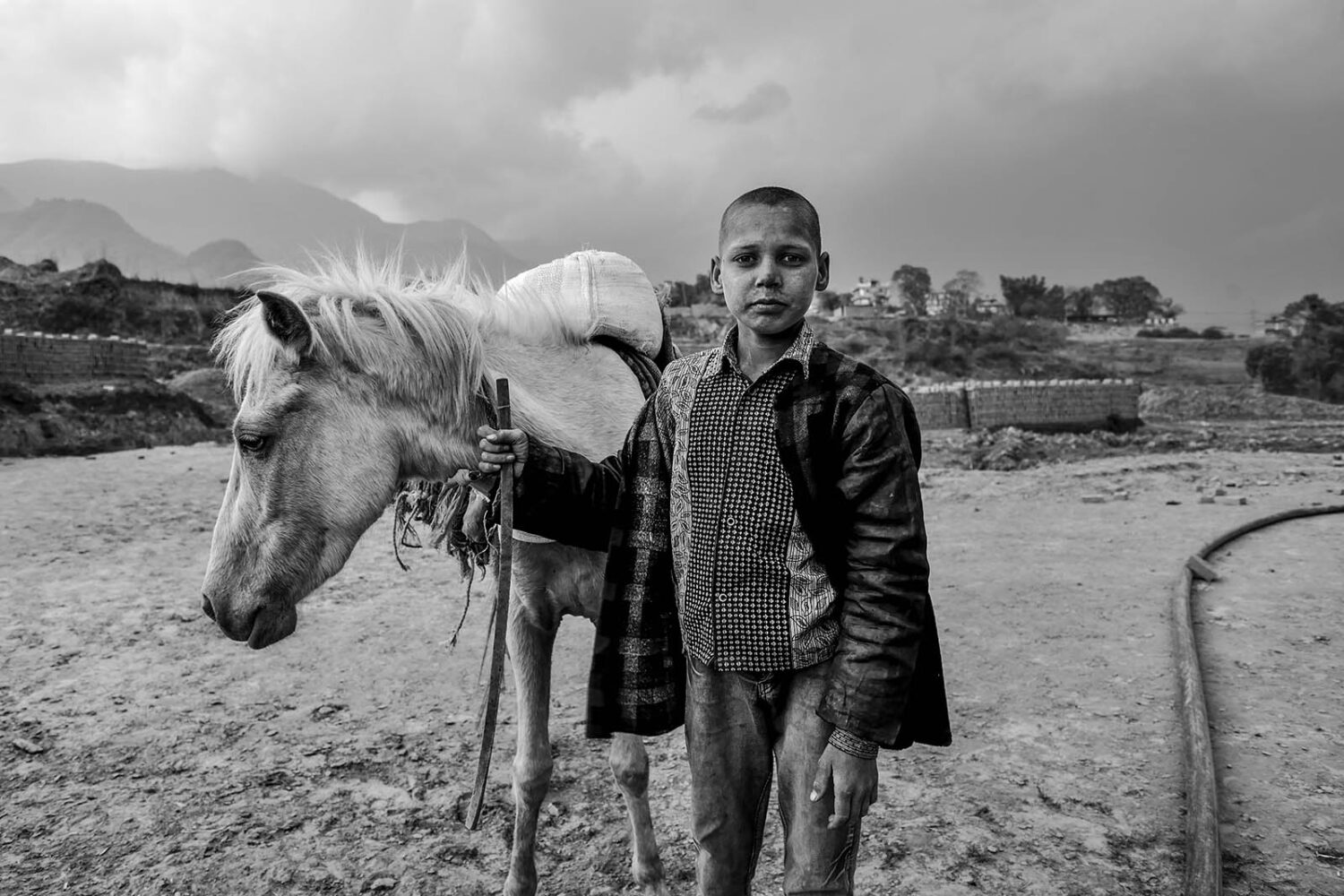
I am happy to announce that my work about Brick Factories in Nepal has been awarded two years working grant from the Swedish Author Fund.
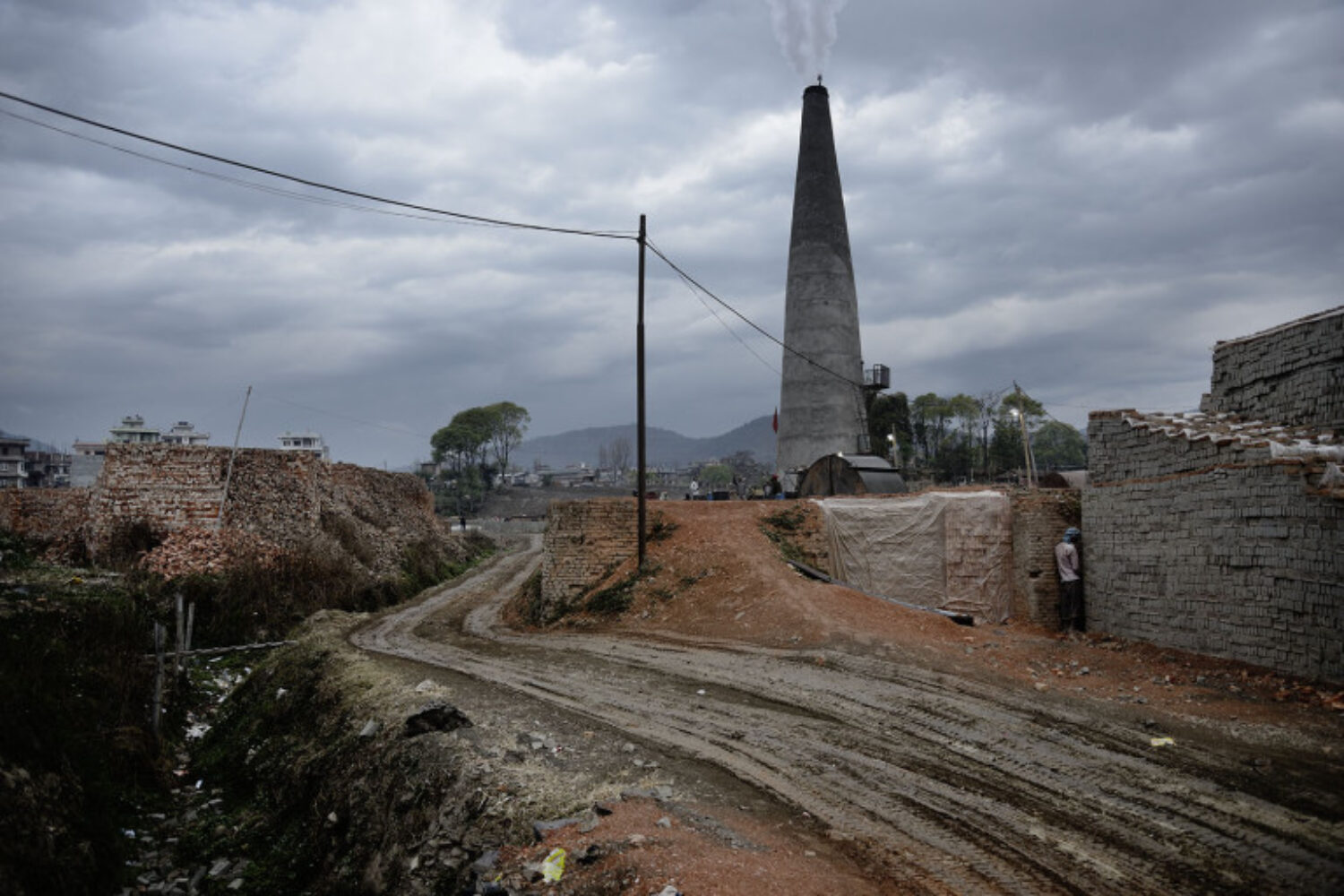
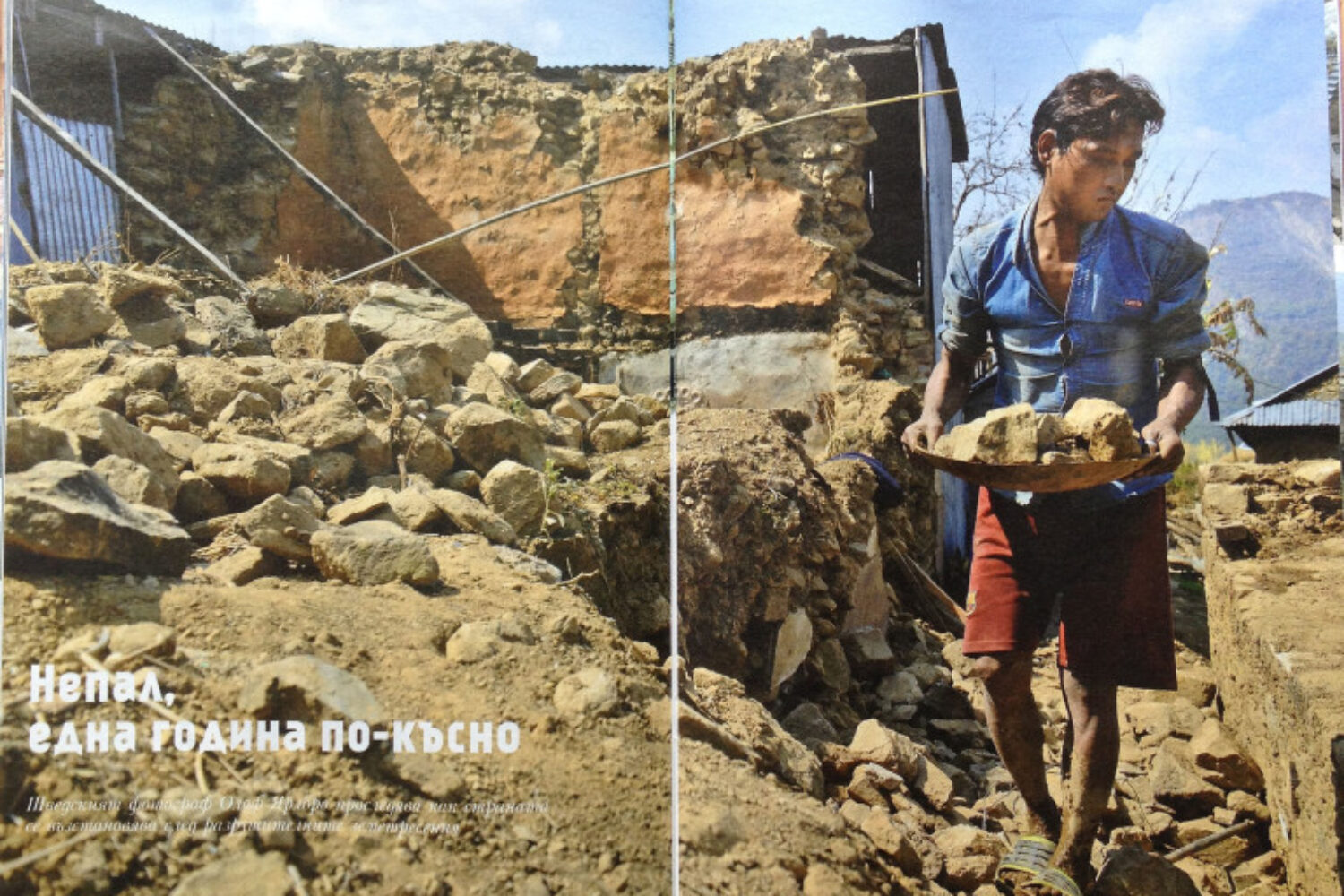
Reportage in Capital light about the aftermath of the Ghorka earthquake in Nepal.
“It was 11:56 am on April 25, 2015 as one of the worst earthquakes in Nepal’s history hit 7.8 on the Richter scale followed by 430 aftershocks. Nearly 9,000 lives were lost and the earthquake left millions of people in need. A large part of Nepal’s historic temples were completely destroyed. Many predicted that after this earthquake, a cholera epidemic would break out because of the monsoon rains…”
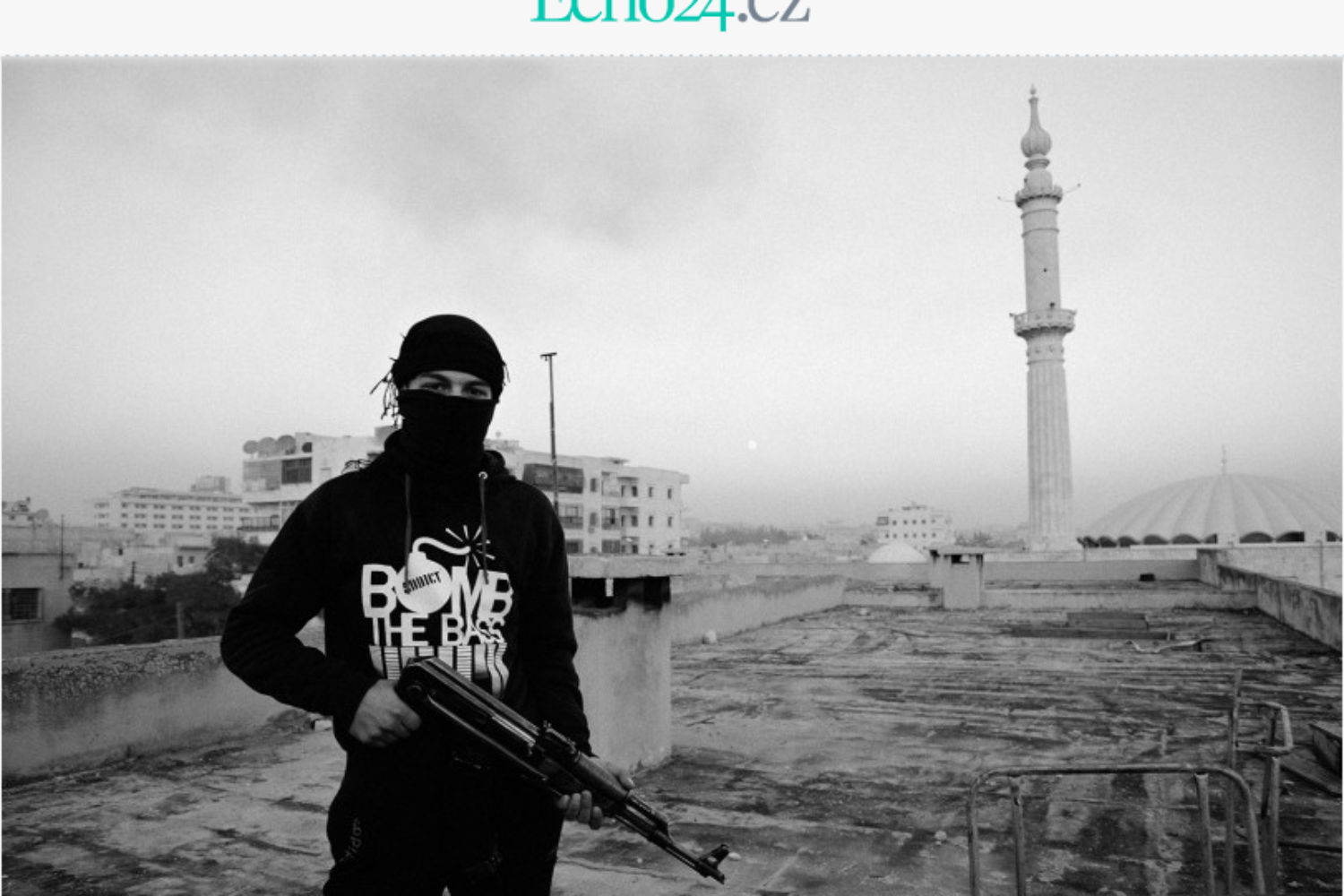
“It’s hard to explain, but when you realize how fragile life is, everything is suddenly black and white, like life and death…”
For full Czech version visit Here
” These aren’t easy photographs to look at, but then the situation isn’t easy either and in a small way through the act of looking we can connect and understand what these people face; for they are people first and foremost before the label refugee is given and here Jarlbro has given them the opportunity to be heard…” Alison Stieven-Taylor
For full version visit Here
A book about people, not about refugees.
The book of Swedish photographer Olof Jarlbro, called Refuge, deals with the issue of people who escape from misery, poverty and war. All images are black and white because its display a form that are expressive and raw. It is important for capturing atmosphere.
Refuge word can be translated as a refuge or shelter. The first chapter Shattered homes in Syria (Shattered homes in Syria) shows the devastated streets of the city, people who stumble among the rubble, and the ubiquitous guns. But it is just a visual prelude to another material.
Above each image, although it raises the specter of death, but runs parallel to ordinary life. Before bombed the house of a man standing with a Kalashnikov in one hand while the other offers something to eat for passing cat. On another picture posing cocooned Free Syrian Army fighter determinedly holding an automatic rifle AK-47 and looking to somewhere through the photographer behind the event horizon.
The second chapter consists of reportage images of the Bulgarian refugee camps, in which dwells Syrian refugees. Although we cannot see them with any weapons or devastated homes, their oppressive atmosphere. They capture the devastated human lives, using the most ordinary objects. Shopping bag with food hanging on the bars open window, laundry hanging on a clothesline in a desperately barren room or unmade beds have devastating symbolism. And everywhere they reside above all human beings, then to migrants or refugees.
Jarlbro is observant photographer, has an eye for detail and expressive shortcut. He understands the appeal of symbols can evoke in the viewer a lot more emotion than superficially with horror depicted on directives. People are probably already fed up with the world’s disasters, they see every night on television and melts them (maybe) latent allegory. Jan Šída.
For full Czech version visit Here
Phone: +46 76 257 18 10
email: info@olofjarlbro.net