Review of Refuge in OmFotoboken

“The black and white pictures take us to the run-down camps where waiting and boredom prevails. Children and adults seated and located in the scantily furnished room. Time passes slowly while waiting for news from home or on what will happen in the new country. They do what you need and nothing else. Clothes should be washed and food to be cooked. The pictures are still compositions exude silence in a way that loudly contrasts with the war existence, the people have fled…“

Anders Alm

For full Swedish version visit here

In Black & White Magazine issue no.99

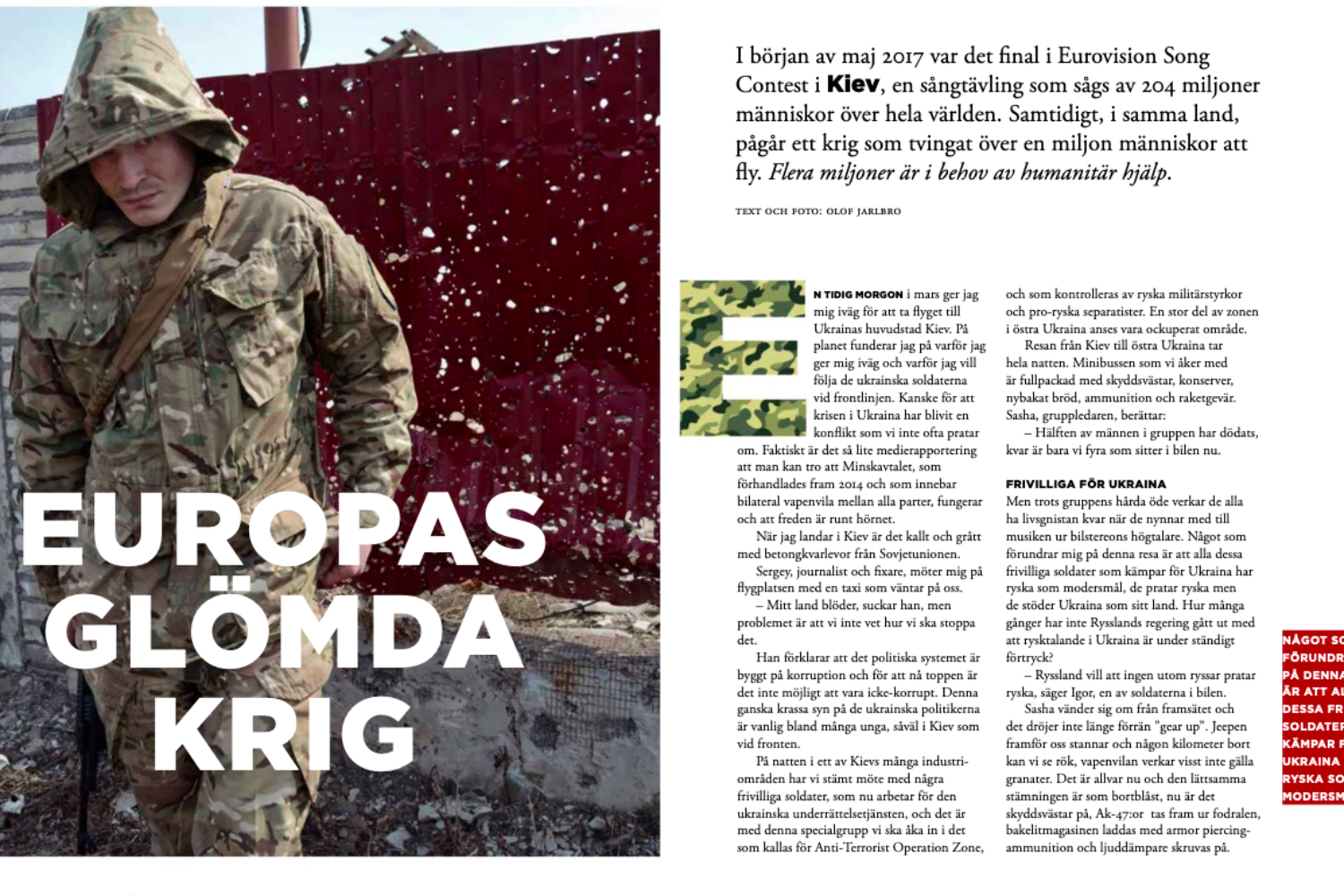
”From the decade-long nepali civil war between Maoist in insurgents and government forces, to the more recent armed conflict in the streets of Syria, Swedish photographer Olof Jarlbro has been on the front lines of the world’s most contentious hotspots, documenting those issues that speak to the universal and essential aspirations for political and social justice….” Richard Pitnick

 More here

Reportage in Uppdrag Mission about Nepal’s water situation after the earthquake.

”The lack of clean water had been a concern for years, and in the rapidly growing city of Kathmandu the World Health Organization (WHO) estimated that 60 tons of domestic waste water from toilets, sinks and washing water were dumped in rivers. From there the unsanitary water flowed down the rivers to small communities whose only source of water came from the river. Some charities were trying to solve the problem by drilling wells. But still to date 37% of Nepal’s population does not have access to sanitation and two-thirds of it still lives without toilets…”

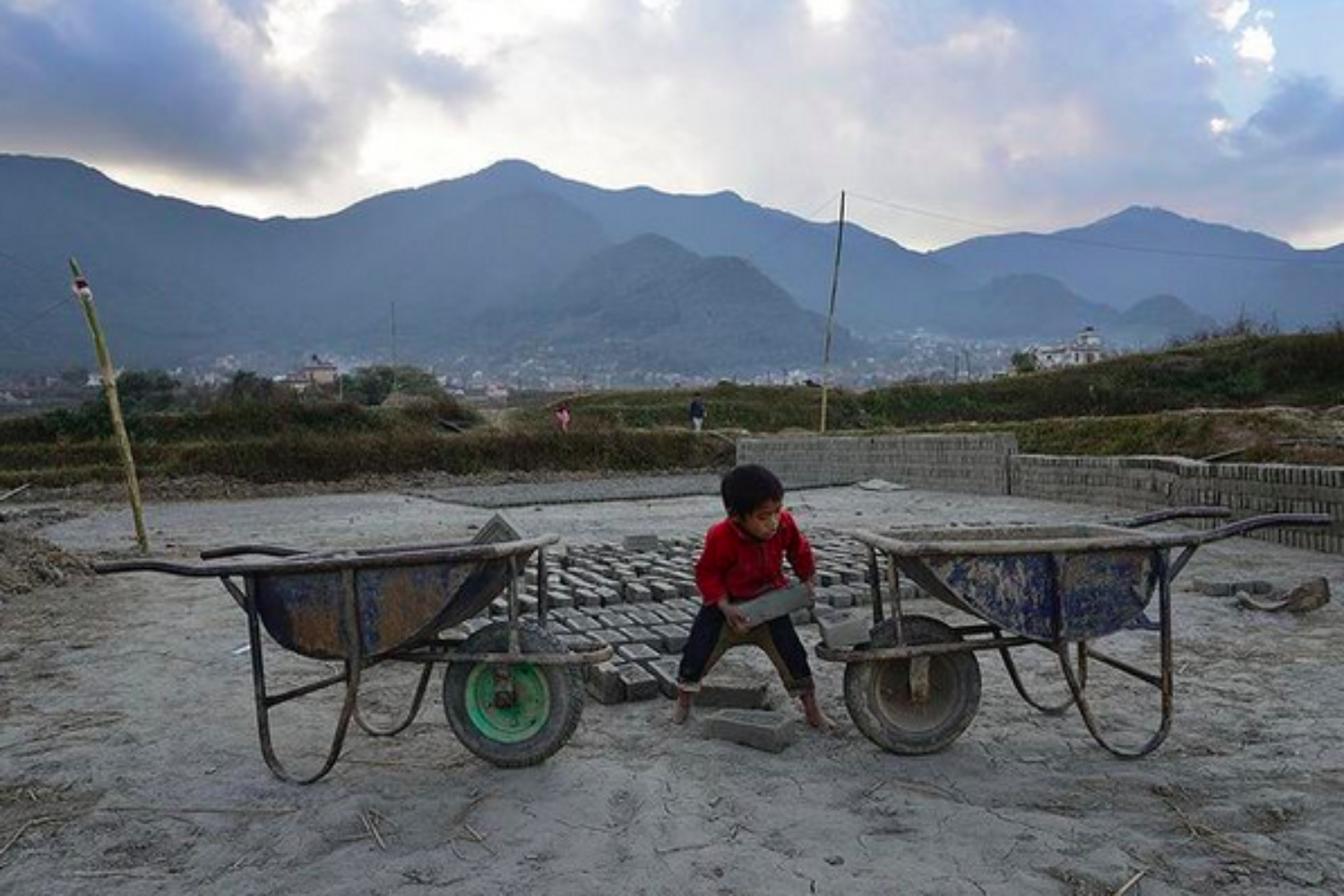
Reportage in magazine 8 about the Brick factories in Nepal.

“After the earthquake in Nepal, the demand for bricks increased magnificently and around the Kathmandu Valley several hundreds of factories are producing bricks. These plants have for years received massive criticism from the media, NGOs and authorities – something that has not been unwarranted: child labour is the rule rather than the exception, and the black smoke coming out of chimneys contributes to the bad air in Kathmandu. But despite all the criticism and the government plans to ban the plants’ presence inside the valley, this controversial industry blooms after the earthquake and among the thousands of workers and their families settled around the factories there is great majority of children…”

More here


One year after the earthquake in Capital light

Reportage in Capital light about the aftermath of the Ghorka earthquake in Nepal.


“It was 11:56 am on April 25, 2015 as one of the worst earthquakes in Nepal’s history hit 7.8 on the Richter scale followed by 430 aftershocks. Nearly 9,000 lives were lost and the earthquake left millions of people in need. A large part of Nepal’s historic temples were completely destroyed. Many predicted that after this earthquake, a cholera epidemic would break out because of the monsoon rains…”

More Here

Contact

Phone: +46 76 257 18 10
email: info@olofjarlbro.net

contact-section